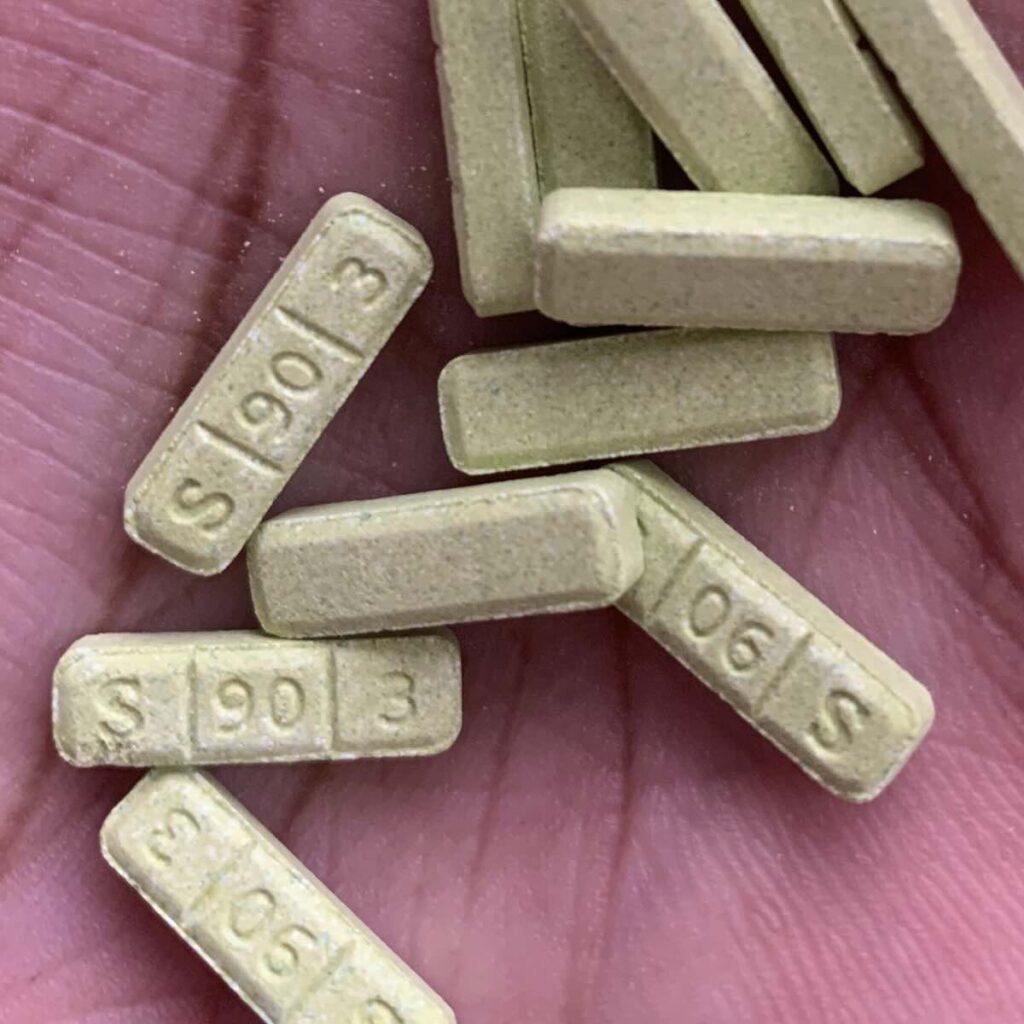
Fake Xanax is part of the modern illicit drug supply, not a rare pill-identification problem. Counterfeit alprazolam-type pills can look like bars, school buses, Hulks or familiar imprints while containing fentanyl, illicit benzodiazepines or another unexpected drug. People may call them fake bars, pressed bars or pressies.
For someone already buying Xanax outside a pharmacy, the most important questions are what the pills are doing to the body, why one batch can feel different from another, how fentanyl changes overdose risk, and how dependence is treated when the actual sedative exposure is uncertain.
Fake Xanax at a Glance
| Street terms | Fake bars, pressed bars, pressies, counterfeit Xanax |
| What is being copied | Brand Xanax or generic alprazolam-style pills |
| Possible contents | Alprazolam, illicit benzodiazepines, fentanyl, other drugs or variable mixtures |
| Why appearance fails | Pill presses and dies can copy familiar shapes and imprints |
| Body risk | Unpredictable sedation, blackout duration, respiratory depression and withdrawal |
| Treatment problem | The person may be dependent on a drug different from the one they believe they are using |
What Is a Pressie?
Pressie is contemporary slang for an illicitly pressed pill. It describes the manufacturing and street-market context instead of a pharmaceutical brand.
DEA documents traffickers using pill presses, punches and dies to make counterfeit pills resemble legitimate Xanax, oxycodone and other prescription drugs. A pressie can therefore be designed to look familiar enough that the buyer believes it is a normal prescription tablet.
The word is used across several drug markets, so the surrounding pill name, imprint, source and expected effect are needed to understand what the seller or user meant.
Street language can also overlap. Someone may call the same pill a bar, a school bus and a pressie, with each term describing a different feature of the expected drug or supply.
Why One Fake Xanax Batch Can Feel Different From Another
Pharmaceutical manufacturing is designed for consistent dose and ingredient identity. Illicit pressing does not provide the same assurance. Two pills with the same color and imprint can contain different substances or amounts.
That inconsistency can explain why a long-term street-Xanax user suddenly experiences much deeper sedation, a much longer blackout, unusual agitation, or opioid-type respiratory depression from pills that look familiar.
Counterfeit benzodiazepines can also have different durations from alprazolam. A person may expect the familiar rise and fall of Xanax and remain impaired for much longer because the tablet contains another sedative.
For treatment, the changing supply means the reported pill count is an incomplete measure of exposure. Toxicology, overdose history and the effect pattern can provide additional clues.
What Fake Xanax Can Do to Breathing
Alprazolam by itself is primarily associated with sedation and impaired coordination, while opioid involvement can add direct respiratory depression. CDC warns that illegally made fentanyl is pressed into counterfeit pills resembling alprazolam.
When fentanyl is present, a person may become difficult to wake, breathe very slowly or irregularly, develop blue or gray skin, or collapse. Witnesses can mistake the beginning of an opioid overdose for an ordinary Xanax blackout.
Naloxone can reverse the opioid component. Benzodiazepine sedation can remain after naloxone because naloxone does not reverse alprazolam or other benzodiazepines.
A history of naloxone response after supposed Xanax use is highly relevant to future treatment because it suggests opioid exposure may be entering through the counterfeit pill supply.
Fake Xanax, Blackouts and Memory Loss
Blackouts are already associated with heavy benzodiazepine intoxication. Counterfeit pills make the duration and severity less predictable because the actual drug may have a different potency or half-life from alprazolam.
Someone may appear awake enough to interact with others while failing to form normal memories. Additional doses can then be taken without reliable recall, which can deepen intoxication.
Alcohol can make this pattern substantially worse. A person who repeatedly wakes with missing time, injuries, unexplained messages or lost possessions is describing a body effect that belongs in the addiction assessment.
The experience of “one bar used to feel normal and now it wipes me out” should also raise concern about changing supply, polysubstance use or reduced tolerance.
How Fake Xanax Changes Dependence and Withdrawal
A person who uses counterfeit bars every day may become dependent on alprazolam, another benzodiazepine or a mixture of sedatives. That uncertainty can make withdrawal timing harder to predict.
FDA warns that benzodiazepine withdrawal can be severe and can include seizures and serious psychiatric symptoms. A person with repeated counterfeit-pill exposure may also have intermittent opioid exposure that needs a separate assessment.
Withdrawal history becomes especially important: symptoms between pills, prior seizures, delirium, hallucinations, failed abrupt stops and the amount of alcohol or opioids used alongside the bars.
A treatment program can stabilize the actual clinical syndrome even when the street product name does not perfectly identify the chemical exposure.
Why Fake Xanax Use Can Become a Different Addiction Than the Person Thinks
People often identify with the drug they intended to buy. Someone may say “I am addicted to Xanax” even when toxicology or overdose history suggests exposure to other benzodiazepines or fentanyl.
That gap matters because opioid exposure changes overdose prevention and may create opioid dependence. Longer-acting illicit benzodiazepines can also change withdrawal timing and sedation.
The treatment assessment should preserve the person’s language while documenting the uncertainty: bars from a dealer, believed to be Xanax, unknown composition, repeated blackouts, prior naloxone response, withdrawal between uses.
This is a more useful rehab description than simply deciding whether the pill photograph matches a legitimate imprint.
What Fake Xanax Can Do to the Brain and Behavior
Counterfeit bars can produce the same memory and coordination problems associated with benzodiazepines, but the severity can vary sharply from one product to another. A tablet containing a longer-acting illicit benzodiazepine may cause prolonged sedation, confusion and memory loss well beyond the period the person expected.
Some users respond to unexpectedly weak pills by taking more, while others encounter a stronger batch and become deeply sedated. The changing composition itself becomes part of the harm because prior experience stops being a reliable guide to the next exposure.
Paradoxical agitation, disinhibition or unusual behavior can also occur during sedative intoxication. If the reaction is substantially different from a person’s previous Xanax experience, counterfeit composition or polysubstance use becomes more plausible.
What Fake Xanax Can Do to the Heart and Lungs
Alprazolam’s major acute danger becomes more severe when opioids, alcohol or other CNS depressants are present. Fentanyl in a counterfeit bar can suppress respiratory drive and turn what looks like a benzodiazepine blackout into a life-threatening opioid overdose.
Low oxygen from respiratory depression can injure the brain and other organs if it persists. Aspiration can also occur when a deeply sedated person vomits and cannot protect the airway normally.
A rapid heartbeat or agitation does not rule out a dangerous counterfeit exposure because pills can contain mixtures. Emergency assessment should follow the person’s breathing, consciousness and overall condition.
Why Long-Term Pressie Use Can Make Recovery More Complicated
A person using pressies repeatedly may be adapting to a moving target. One batch can be mostly alprazolam-like, another can contain a different benzodiazepine, and another can introduce fentanyl. The resulting dependence pattern can be harder to describe from the street name alone.
That uncertainty makes a detailed history and toxicology more valuable during treatment. Prior seizures, blackout duration, naloxone use, opioid withdrawal symptoms and the timing of symptoms between pills can all help identify what the body has adapted to.
Recovery planning also has to address the supply route. Returning to the same illicit source after detox can immediately reintroduce overdose risk even if the person intends to reduce the number of pills used.
A changing street supply can also obscure tolerance. A person may believe tolerance has suddenly dropped or increased when the actual change came from a different drug or concentration in the latest batch. That uncertainty can lead to dangerous attempts to compensate for an unexpectedly weak or strong pill.
Documenting periods of unusually long sedation, opioid-type overdose, or sudden changes in withdrawal can help the treatment team understand whether the illicit supply changed over time.
Frequently Asked Questions About Fake Xanax
Are fake Xanax pills called pressies?
Pressies is one contemporary term for illicitly pressed pills. It is broader than Xanax.
Can fake Xanax contain fentanyl?
Yes. CDC documents fentanyl pressed into counterfeit pills resembling alprazolam.
Can a fake bar still contain a benzodiazepine?
Yes. Counterfeit pills can contain alprazolam or other benzodiazepines, but the contents and dose can be unpredictable.
Why do fake bars cause longer blackouts?
A counterfeit tablet may contain another sedative or a different amount than expected, which can change the duration and depth of intoxication.
Can someone become dependent on fake Xanax?
Yes. Repeated exposure to benzodiazepines can create physical dependence, and counterfeit supply can complicate which drug is driving the withdrawal.
Sources
- DEA: Fake Prescription Pills: Counterfeit pills can mimic Xanax and other medications.
- DEA: Pill Press Resources: Illicit pill presses and dies reproduce prescription-pill appearances.
- CDC: Fentanyl: Fentanyl can be pressed into counterfeit pills resembling alprazolam.
- CDC MMWR: Counterfeit Pill Overdose Deaths: Counterfeit pill deaths can involve illicit fentanyl and illicit benzodiazepines.
- FDA: Counterfeit Medicine: Counterfeit medicine can contain wrong or harmful ingredients.
- FDA: Benzodiazepine Boxed Warning: Dependence, withdrawal, misuse and opioid interaction risks.
- South Carolina Attorney General: Online Drug Codes Warning: Contemporary public-safety source using the term pressies.
About This Article
Editorial standard
Rehabs.Today resource articles are written for educational and treatment-navigation purposes. For medical and drug-safety claims, we prioritize current primary or authoritative references such as FDA and DailyMed labeling, CDC, SAMHSA, NIH/NCBI resources, and peer-reviewed research when appropriate. Important limitations, uncertainty, and differences between population-level evidence and individual medical advice are stated where they matter.
How to use this information
This article provides general educational information. It is not a diagnosis, prescription, personalized taper, or substitute for advice from a physician, pharmacist, or other qualified healthcare professional. Do not start, stop, combine, or change a prescribed medication solely because of information on this page.
Emergency information
If someone cannot be awakened, is breathing slowly or abnormally, or may be experiencing an opioid overdose, seek emergency medical help immediately and give naloxone if it is available.
Treatment-directory transparency
Some Rehabs.Today articles link to treatment directories and provider resources. Those links are for navigation and do not replace independent medical assessment. Medical claims in the article should be evaluated from the cited evidence, not from whether a treatment provider is linked.